Notes from the dojo
Essays on Karate, Budō, healing and wellbeing - and news from the EmptyHands community.
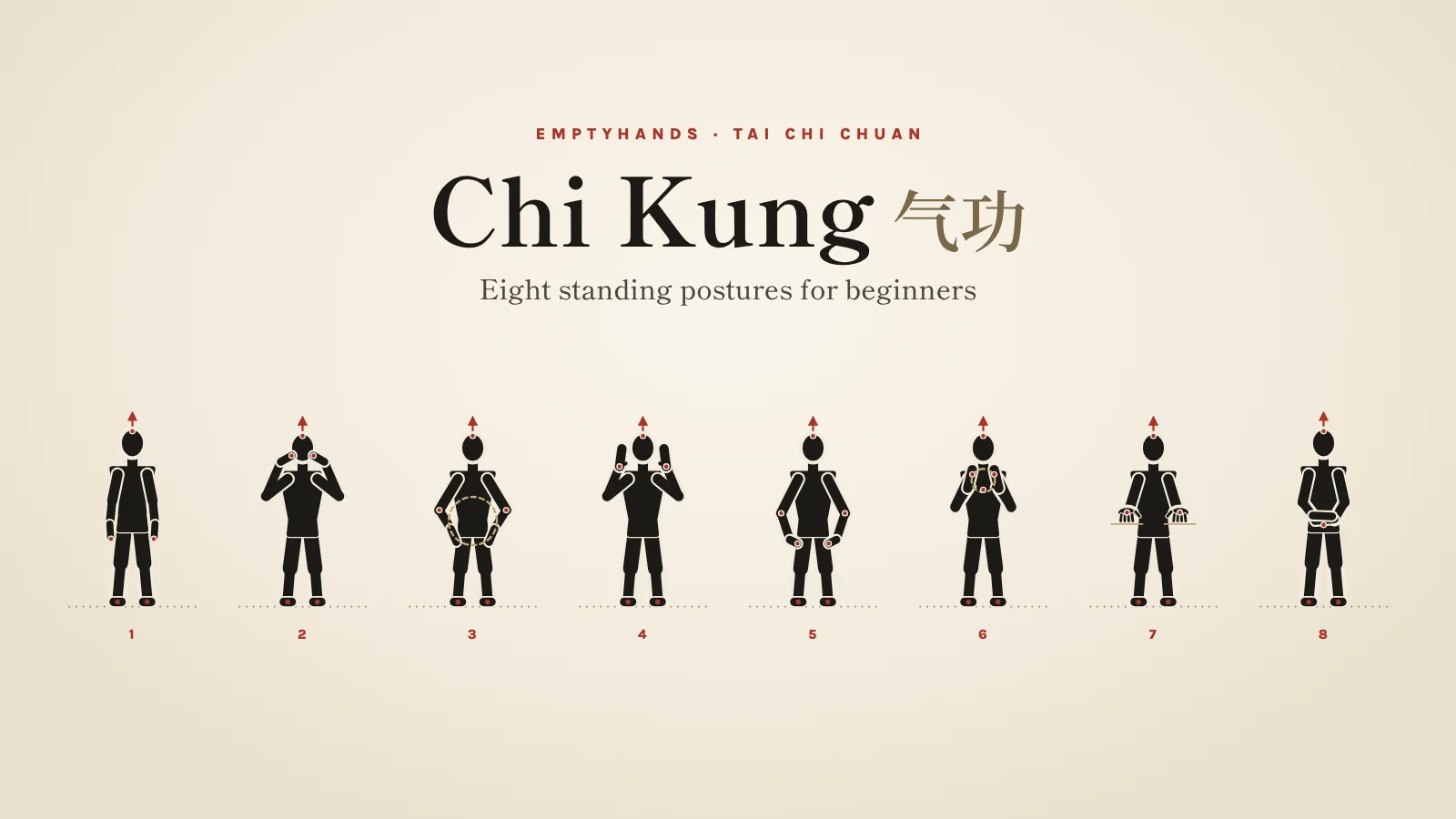
Chi Kung: eight standing postures for beginners
A step-by-step guide to the eight standing Chi Kung postures practised in EmptyHands Tai Chi classes, with the key pressure points and what each posture offers for health and for martial practice.
EmptyHands at 20: two decades of discipline, growth and community
In March 2006 a small dojo opened its doors in Ilford. Twenty years, hundreds of students and fifteen black belts later, a look back at the people and moments that made EmptyHands.
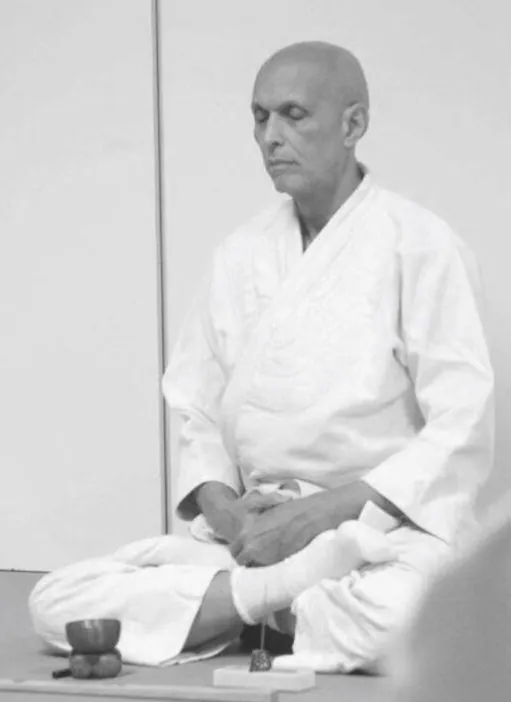
In memory of Rex Lassalle (1945-2025)
Remembering Rex Lassalle, Shiatsu pioneer, founder of the Hara Shiatsu School, and teacher and friend of EmptyHands, who died on 13 February 2025.
The health benefits of Tai Chi
Tai Chi Chuan develops health, wellbeing and practical self-defence in a single practice: calm, focus, balance and confidence for students and for people of every age.
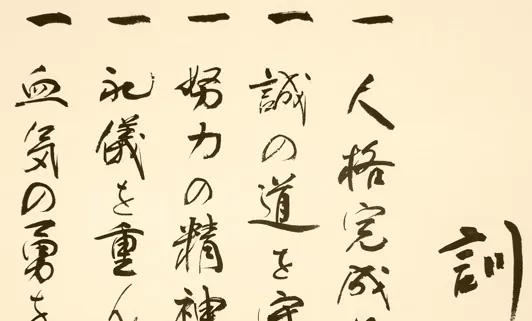
Benefits of Shotokan Karate
Shotokan Karate builds far more than strong kicks and punches. Through the five Dojo Kun it shapes character, confidence, discipline and respect - on the dojo floor and beyond it.
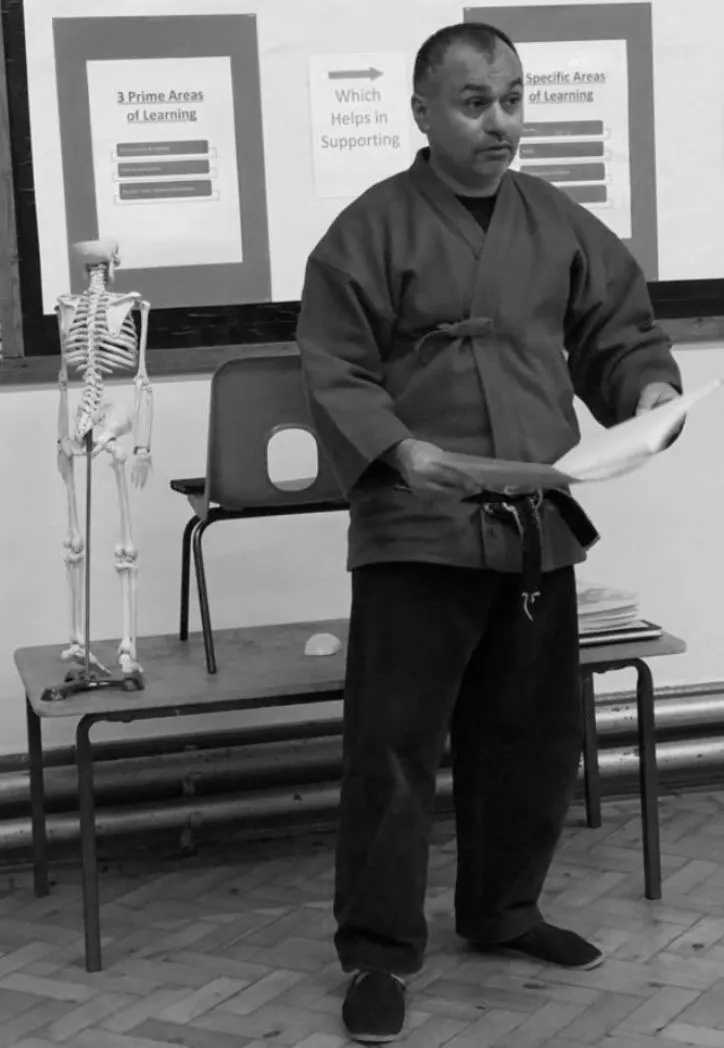
Reflections: lessons from lockdown
How Karate, Yoga, daily walks, good food and a little gardening helped one EmptyHands teacher stay calm and keep a healthy routine through lockdown.
The history of Karate-Dō
From the legends of Shaolin to the islands of Okinawa and the Shotokan dojo in Tokyo: a short history of how Karate-Dō became a martial art practised worldwide.
Sports injuries and the martial arts
Common martial arts injuries, how to prevent them, what to do when one happens, and how EmptyHands supports students through injury and recovery.
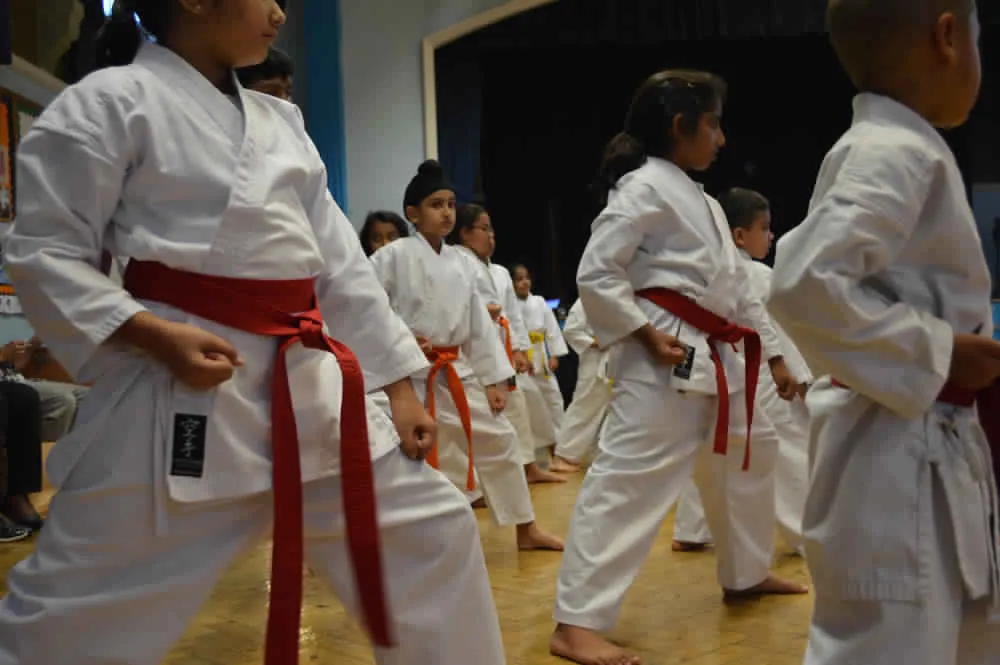
The EmptyHands Charity Cup
Each year the EmptyHands Charity Cup brings students, families and the local community together for kata, kumite and team events that raise money for a chosen charity.
Workshop with Shihan Chris Rowen
EmptyHands students have trained with Chris Rowen Shihan, a top Karate instructor and an authority on Goju-Ryu Karate. Here is what his workshops cover and why they matter.
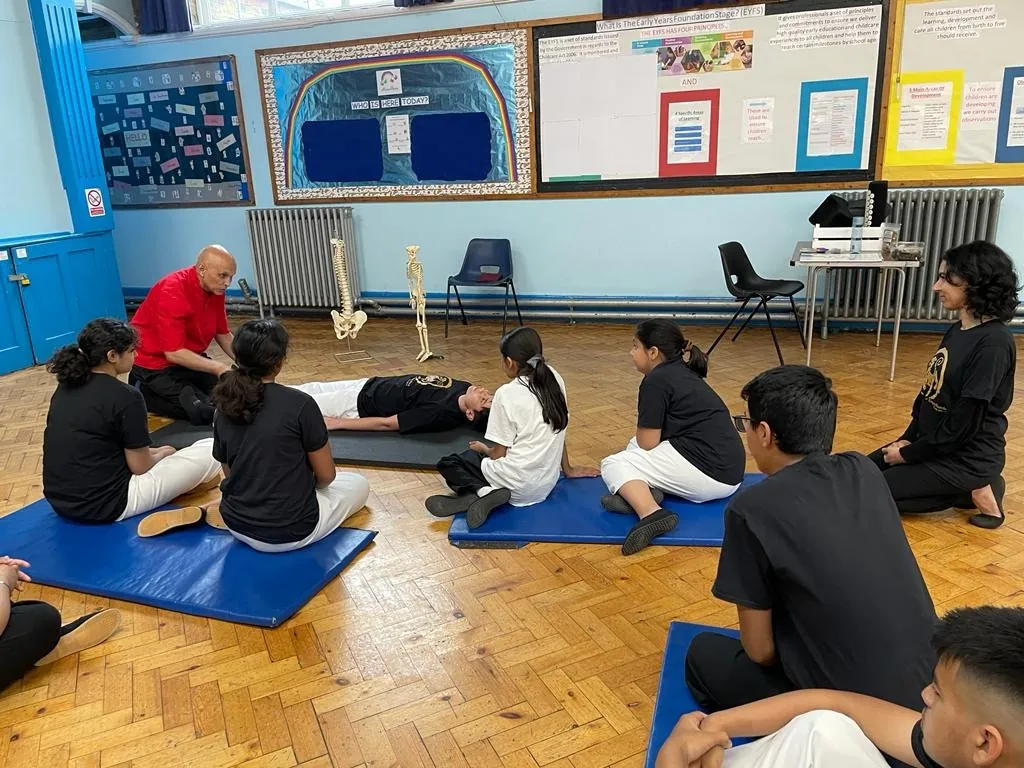
Sōtai master class with Rex Lassalle
The late Rex Lassalle taught his Be Easy Sōtai method at the EmptyHands dojo: a gentle self-help therapy that moves the body towards ease rather than effort.
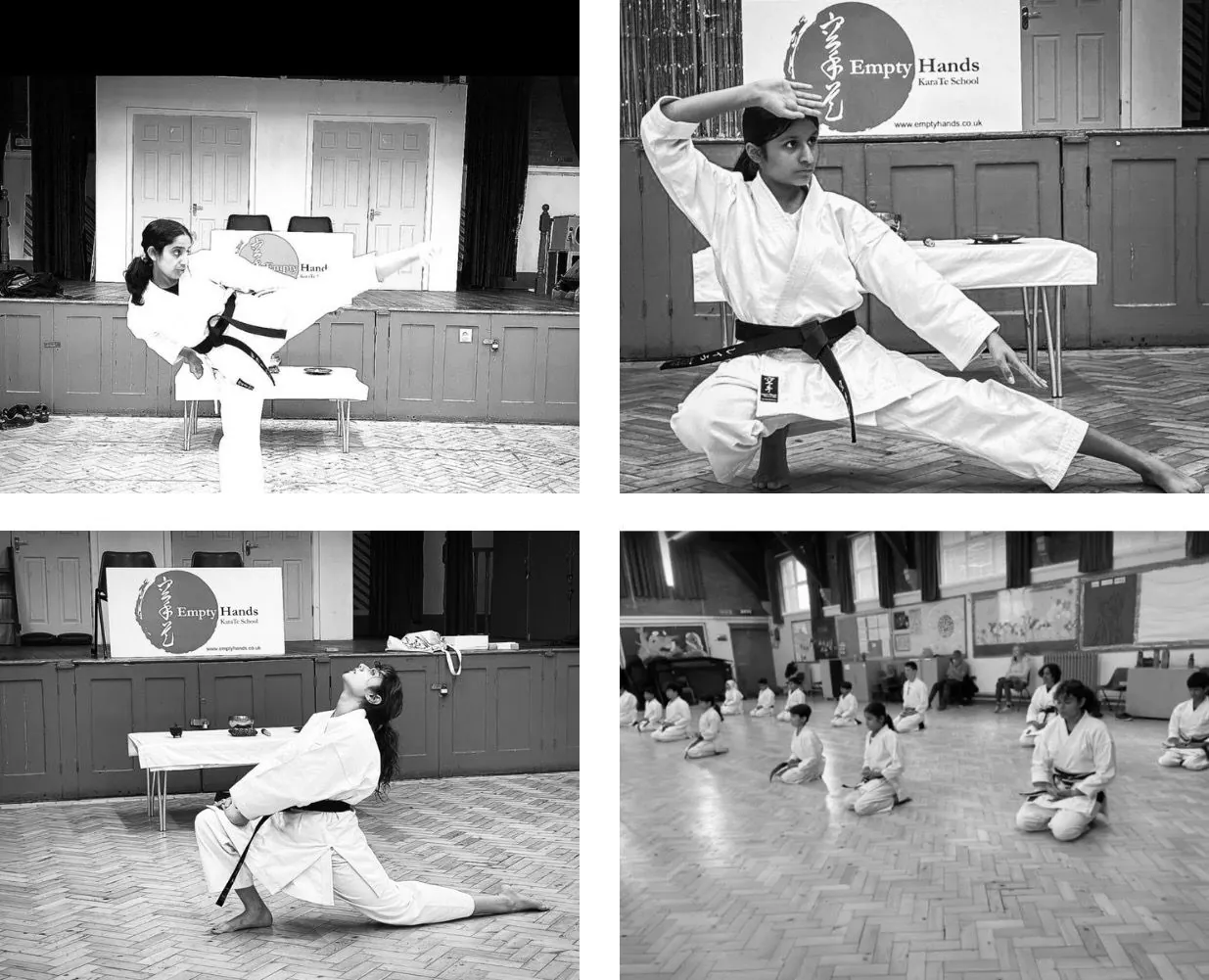
The dojo warm-up
Why every EmptyHands class starts with a warm-up, what it involves, and how senior students learn to lead it for the junior class.
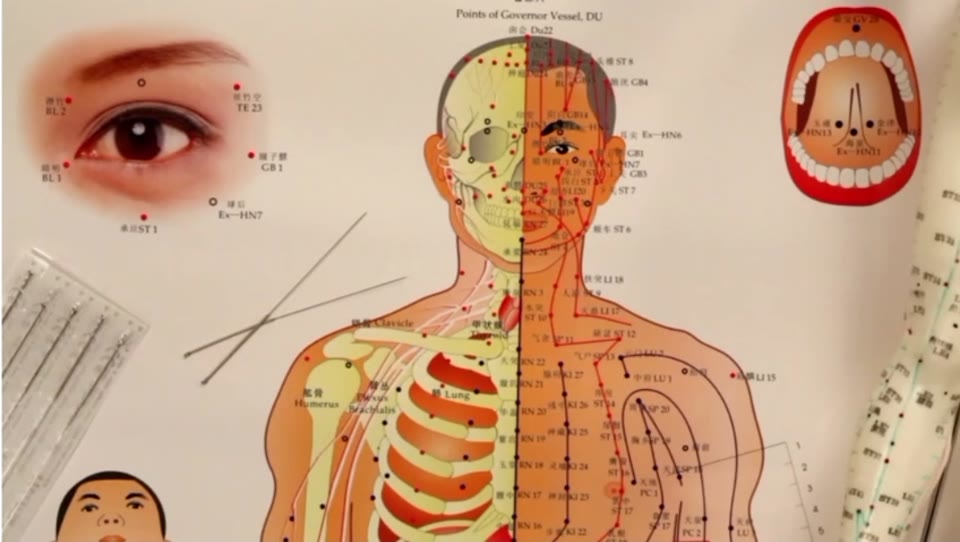
The EmptyHands Shiatsu clinic
Founded by Azeem Mushtaq Sensei in 2003, the EmptyHands Shiatsu clinic offers advice, Shiatsu and coaching for sports injuries, back problems and recovery from trauma.
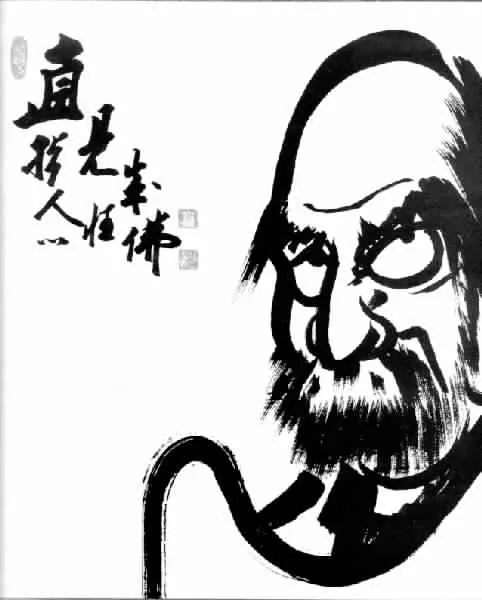
Bodhidharma, founder of the martial arts
Bodhidharma brought Zen Buddhism to China and, according to legend, taught the Shaolin monks exercises that grew into the martial arts. The story, the legend and his legacy.
Chi: understanding the vital life force
What is Chi? An introduction to the vital life force of Chinese medicine and the martial arts: Yin and Yang, the Five Elements, the vital substances and how to cultivate Chi.
The virtual dojo
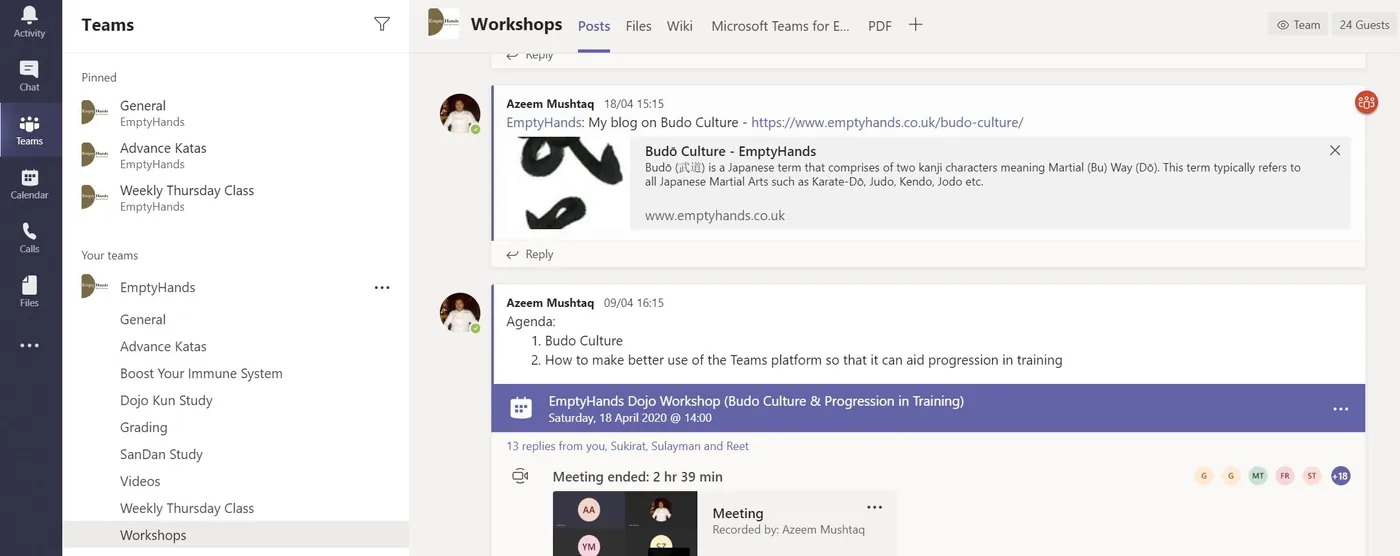
How the EmptyHands Virtual Dojo kept students training together online, and how members join it for free classes, resources and contact with instructors.
Yoga and Karate
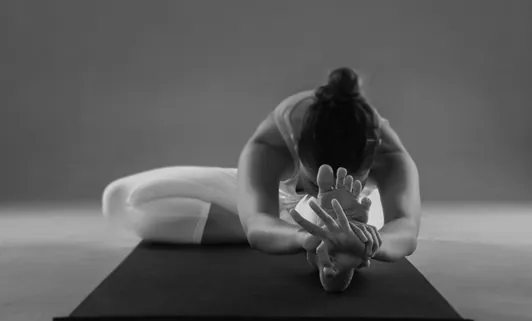
Breath, posture and a calm mind: how Yoga and Karate complement each other, from Prana and Chi to postures that mirror Karate stances and kicks.
Training Karate online through the pandemic
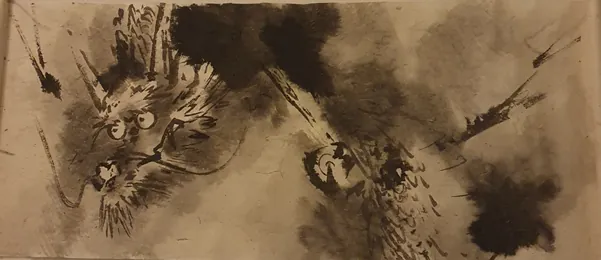
A senior EmptyHands student reflects on lockdown, a trip to Japan, a Zen dragon and why it is okay not to be okay, and what Karate taught them about honesty and routine.
Fight Club: back to the roots of Karate
The EmptyHands Fight Club returns to the roots of Karate in Okinawan tō-de, training practical self-defence while keeping the mental and moral side of the art.
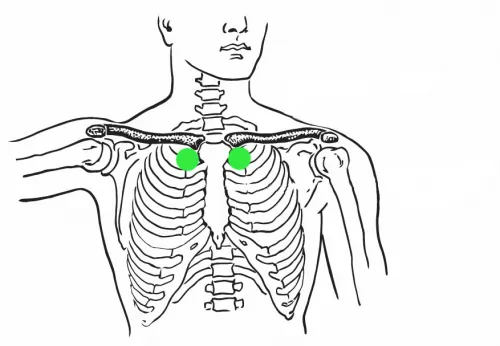
Boosting immunity with acupressure
Three traditional acupressure points, Kidney 27, Lung 7 and Large Intestine 11, used in Chinese medicine to support the body during colds and flu, and how to find them.
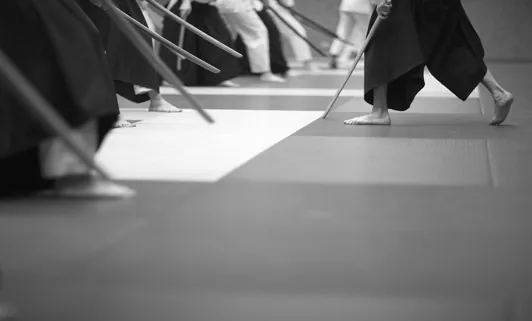
Kobudō: traditional weapons of Okinawa
Kobudō means "old martial way". For karateka it usually means the traditional weapons of Okinawa, such as the bō, sai, tonfa and nunchaku, studied alongside empty-hand Karate.
Coping with stress: is Karate the answer?
An EmptyHands black belt and mental health practitioner explains how kumite, kata and mokuso meditation help with stress, with a simple five-step exercise to try today.
Five ways to become a better karateka
Five simple resolutions for your Karate training - ease, joy, challenge, dream and change - with practical steps to help you improve at any grade.
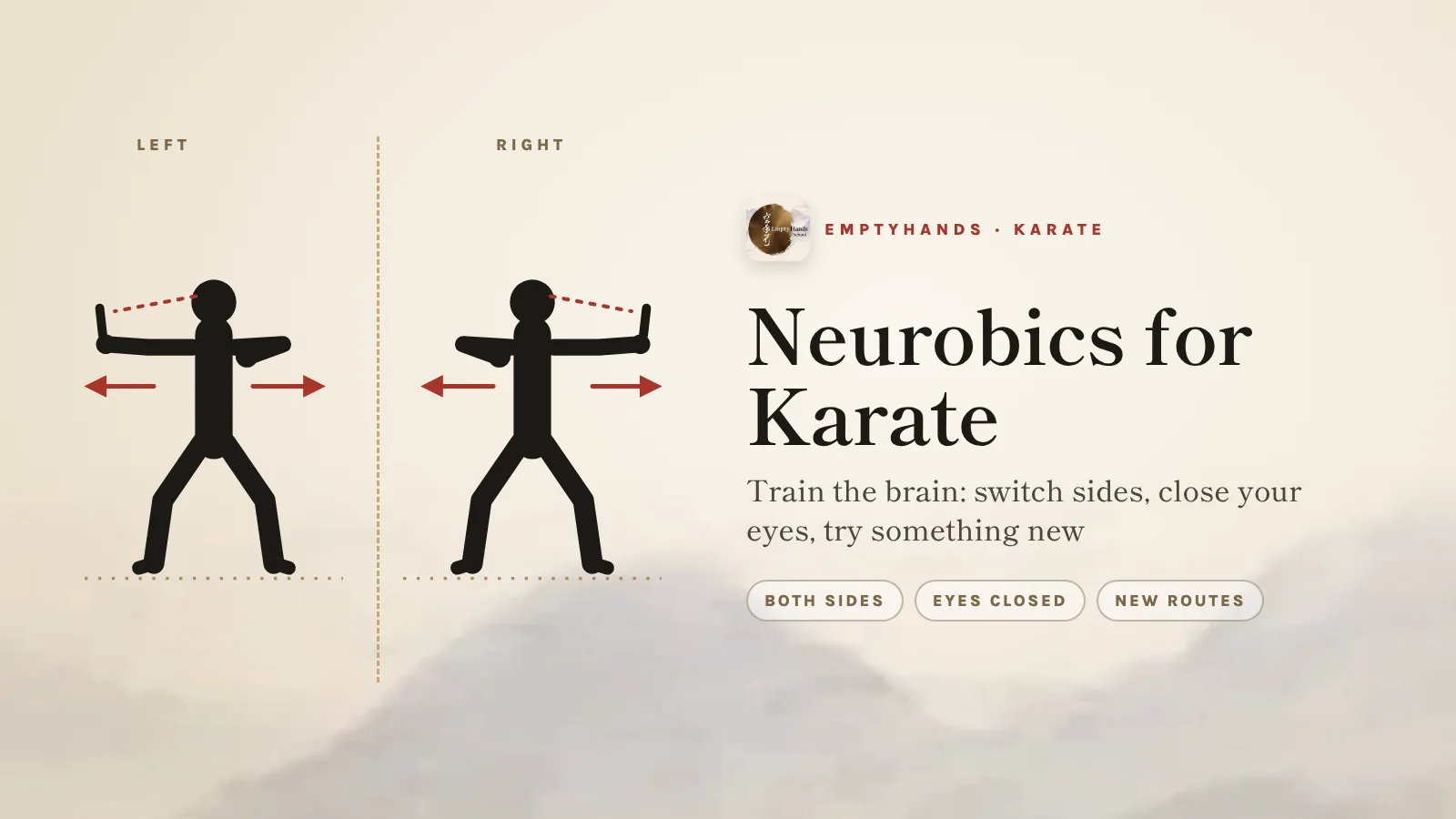
Neurobics for Karate
Neurobics means exercising the brain by using all the senses in new ways. Karate is full of neurobic exercises, from kata on the other side to training with your eyes closed.
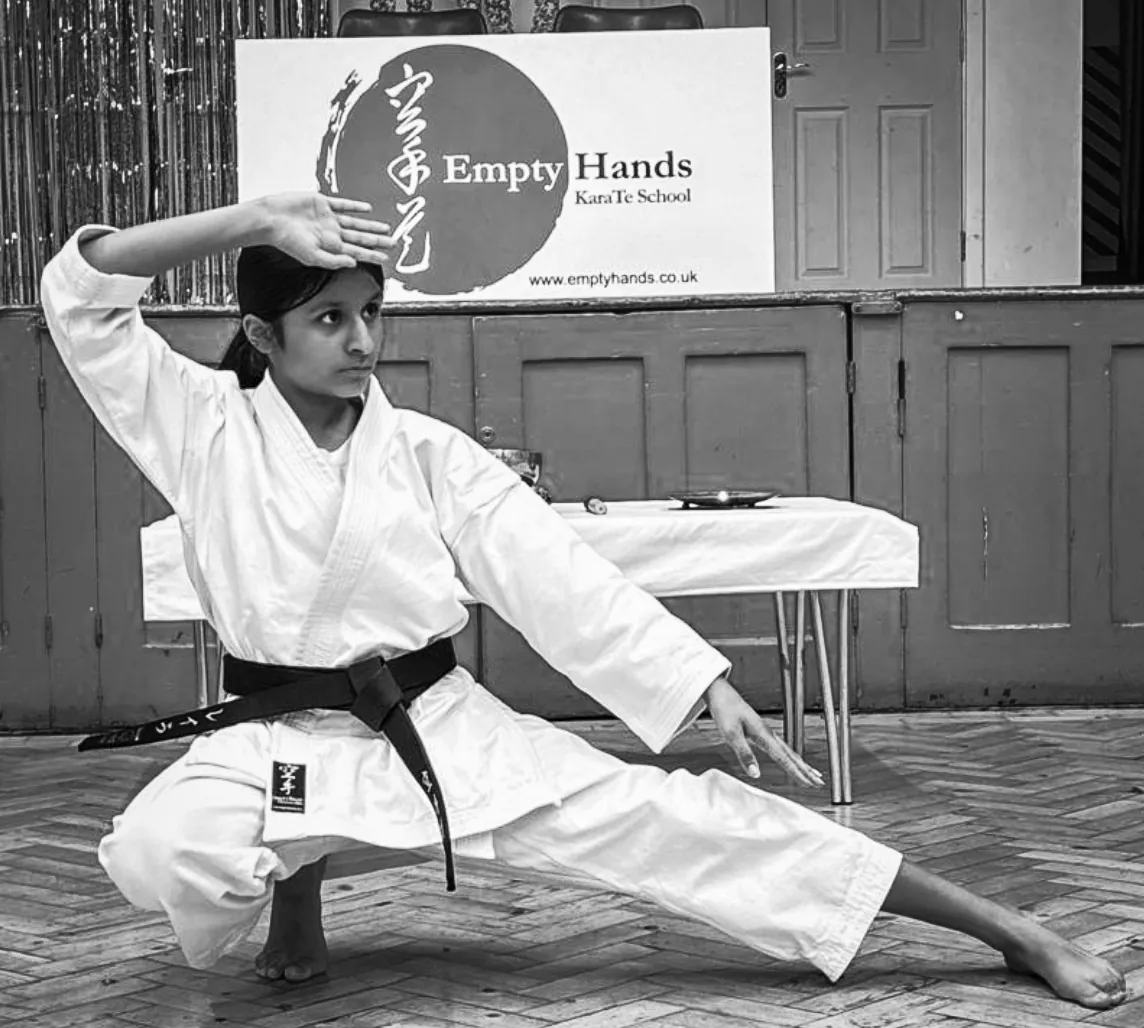
Karate mindsets
Six states of mind rooted in Zen that guide Karate training: mushotoku, hishiryō, zanshin, fudōshin, mushin and satori, and how each one shows up in the dojo.
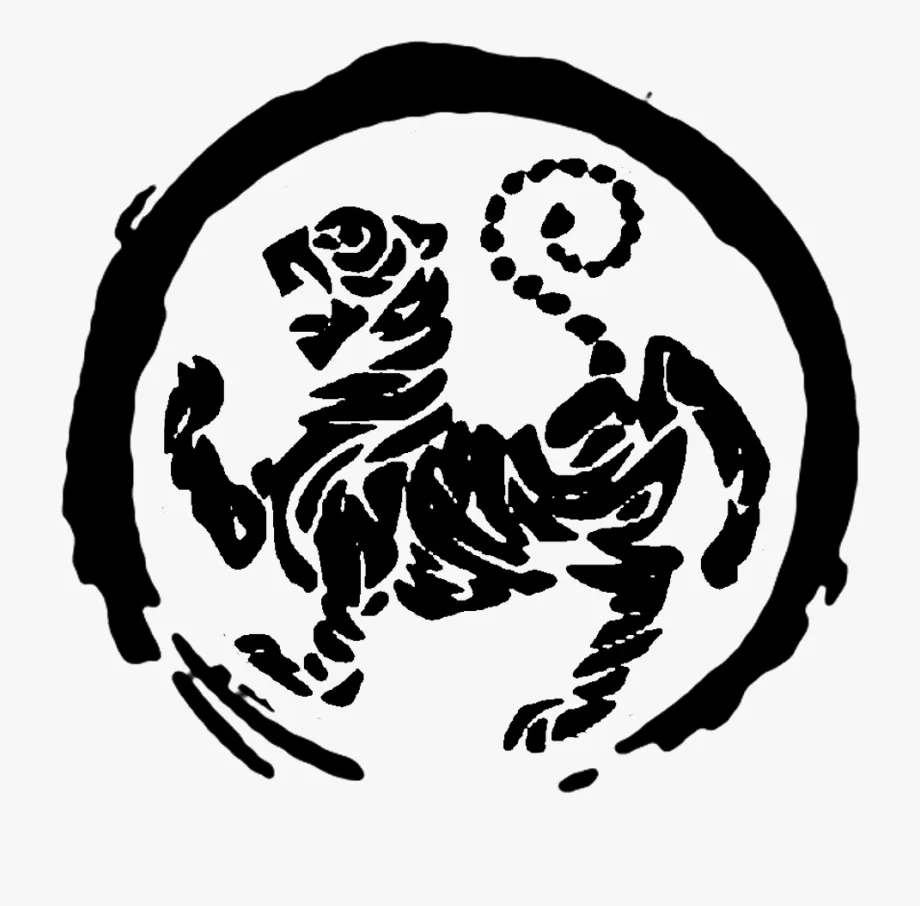
The Shotokan tiger
The story of the Shotokan tiger, drawn by the painter Hōan Kosugi for Gichin Funakoshi, and what its brushstrokes and circle mean for karateka today.
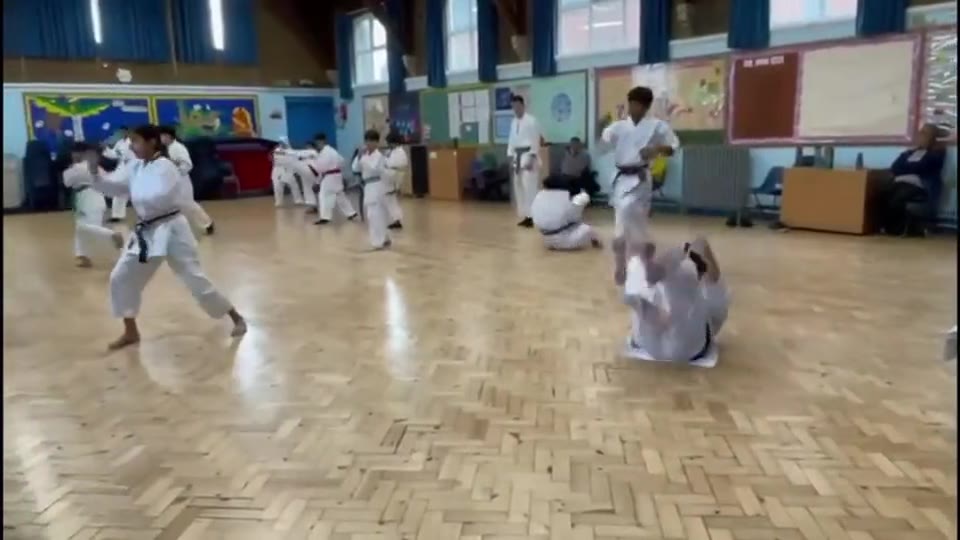
Evidence-based Karate training
Medicine and education rely on evidence-based practice. How Karate can use sports science for conditioning, injury prevention and mental skills while keeping its traditions.
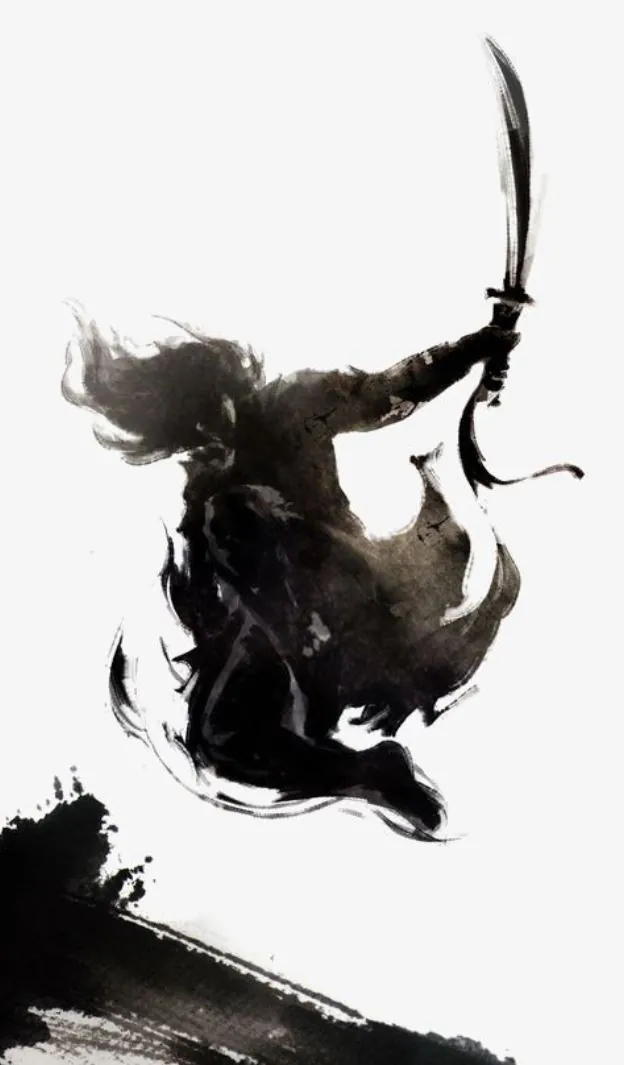
Budō culture
Budō, the "martial way", is about far more than fighting. A look at its history, its ethical code and the dojo, health and spiritual rituals that make up Budō culture.
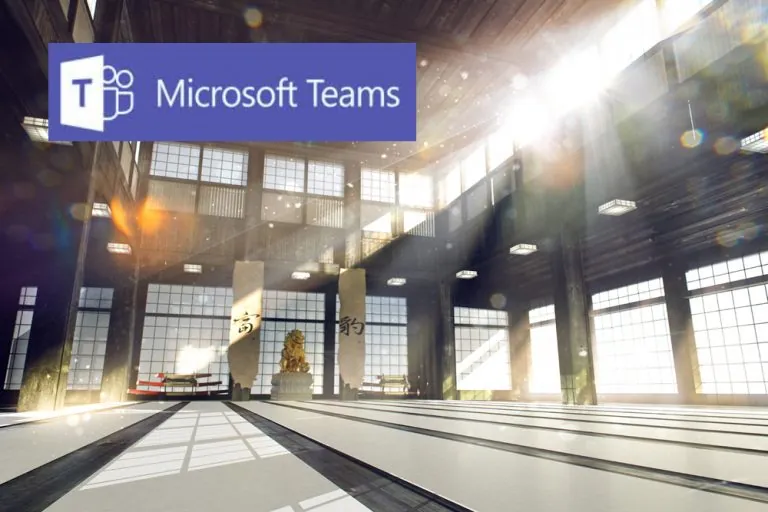
Creating an online dojo with Microsoft Teams
How EmptyHands built an online dojo in Microsoft Teams during lockdown: the four dimensions of dojo learning, and practical tips for any martial arts school going online.
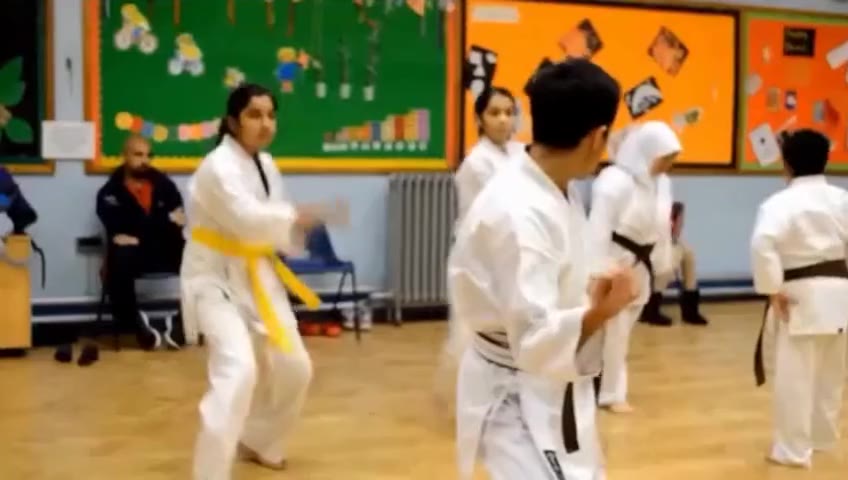
Karate rules for personal growth
Eleven simple rules, drawn from the teachings of the Karate masters, to help you train better and carry the lessons of the dojo into school, work and daily life.
No articles match that search.
The first class is the hardest step - you won’t take it alone
New students pay as they go for the first few weeks. Just bring comfortable clothes.