Karate-Dō, the “way of the empty hand”, is practised by millions of people around the world. Its story stretches back centuries and across several countries, from China to the islands of Okinawa and on to mainland Japan.
Legends of Shaolin
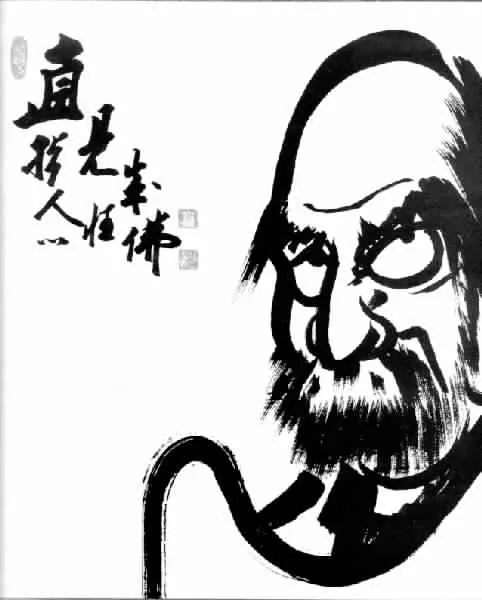
Many martial arts trace their spiritual roots to the Shaolin Monastery on Mount Song in Henan, China. Tradition says that the Buddhist monk Bodhidharma arrived there from India in the 5th or 6th century AD, meditated for nine years and taught the monks exercises to strengthen body and mind. Historians treat the link between Bodhidharma and fighting arts as legend rather than record, but the idea that martial training is also a path of self-development runs through Karate to this day.
Okinawa: the birthplace of Karate
Karate itself developed on Okinawa, the main island of the Ryukyu Kingdom, which traded closely with China from the late 1300s. Local fighting methods, known simply as te (hand), blended with Chinese boxing brought by envoys, merchants and students. The result became known as tō-de (唐手), “Tang hand” or “Chinese hand”, and was taught quietly in towns such as Shuri, Naha and Tomari.
From Okinawa to Japan
In the early 20th century, Okinawan masters began teaching more openly, including in schools. In 1922 the Okinawan teacher Gichin Funakoshi demonstrated the art in Tokyo and stayed to teach it on the Japanese mainland. In the 1930s the first character of the name was changed to 空, meaning “empty”, so that karate came to mean “empty hand”, and the suffix dō (way) was added to stress the art’s role in developing character.
Funakoshi’s students named his dojo Shōtōkan after his pen name, Shōtō, meaning “pine waves”. The Shotokan tiger became its emblem, and the style spread across Japan and then the world.
Karate today
After the Second World War, Karate spread rapidly through Europe and America. Many styles grew from the Okinawan roots, among them Shotokan, Goju-Ryu, Shito-Ryu and Wado-Ryu, and Karate made its Olympic debut at the Tokyo Games in 2021.
At EmptyHands, students learn traditional Shotokan Karate, with influences from Goju-Ryu, following a syllabus inspired by the late Hirokazu Kanazawa Sōke. Every class still works through the same foundations the masters handed down: kihon, kata, bunkai and kumite. Read more about Karate classes in Ilford.