Any physical activity carries some risk of injury, and contact sports and martial arts are no exception. The good news is that most injuries are minor, and many can be prevented with sensible training. This article explains the common types of injury, how to reduce the risk, and what to do if you are hurt.
Types of sports injury
Sports injuries are often grouped into three broad categories:
- Minor injuries - grazes, blisters, bruises, muscle soreness, cramp and mild sprains.
- Moderate injuries - pulled or strained muscles, more serious sprains and stress fractures.
- Major injuries - torn tendons or ligaments, broken bones and concussion.
Preventing injury in the dojo
- Warm up properly. A good warm-up raises the heart rate and prepares joints and muscles for training.
- Build technique before power. Correct stances and alignment protect the knees, hips and back.
- Train with control. In kumite, techniques are stopped short so that partners stay safe.
- Listen to your body. Train within your limits, rest when you need to and drink plenty of water.
- Tell your instructor. Let the instructor know about any injury or health condition before class, so exercises can be adapted.
If you are injured
Stop training and tell an instructor straight away. For minor sprains and strains, rest, gentle ice wrapped in a cloth, light compression and raising the injured area can help in the first day or two. Seek medical advice for anything more than a minor injury, and always for a suspected fracture, a head injury or pain that does not settle. Call 999 in an emergency.
Support at EmptyHands
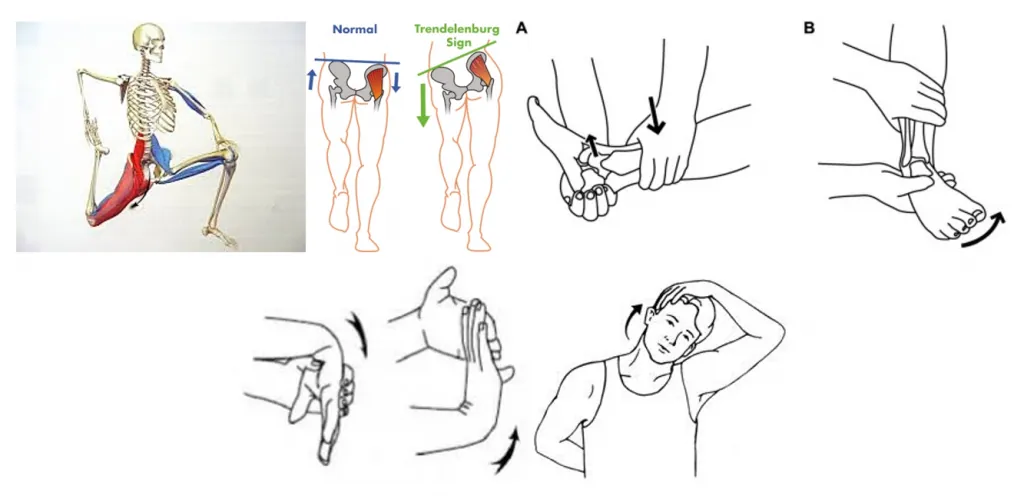
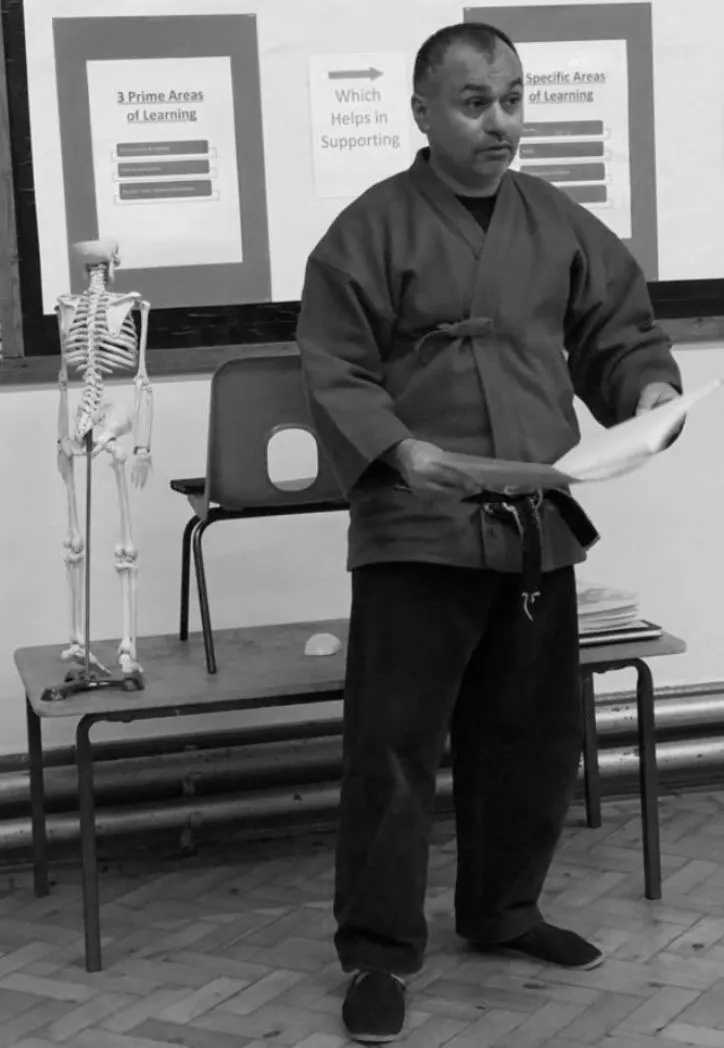
EmptyHands instructors are trained in first aid, and students are encouraged to report any training problem so that it can be looked after and the lesson shared. Through the EmptyHands Shiatsu clinic, Azeem Sensei also offers advice and Shiatsu to support recovery from sports injuries.
If you have an injury, short or long term, get in touch for advice, or read more about Shiatsu sessions.