Have you ever wondered which exercises are best for the brain? Many people think studying is the only way to keep the mind sharp. But some scientists believe that one of the best ways to exercise the brain is to use all your senses, sight, sound, touch, taste and smell, in new and unexpected ways.
What is neurobics?
The term “neurobics” was coined by the American neurobiologist Lawrence Katz and the writer Manning Rubin in their 1999 book Keep Your Brain Alive. Katz suggested that much mental decline comes not from losing brain cells but from weaker connections between them, and that breaking routines and engaging the senses in unusual ways can encourage new connections.
The ideas are popular rather than proven, and neurobics is not a way to raise your IQ. The aim is simply to keep the mind active and fit. And Karate, it turns out, is full of neurobic exercises.
Neurobic exercises in Karate
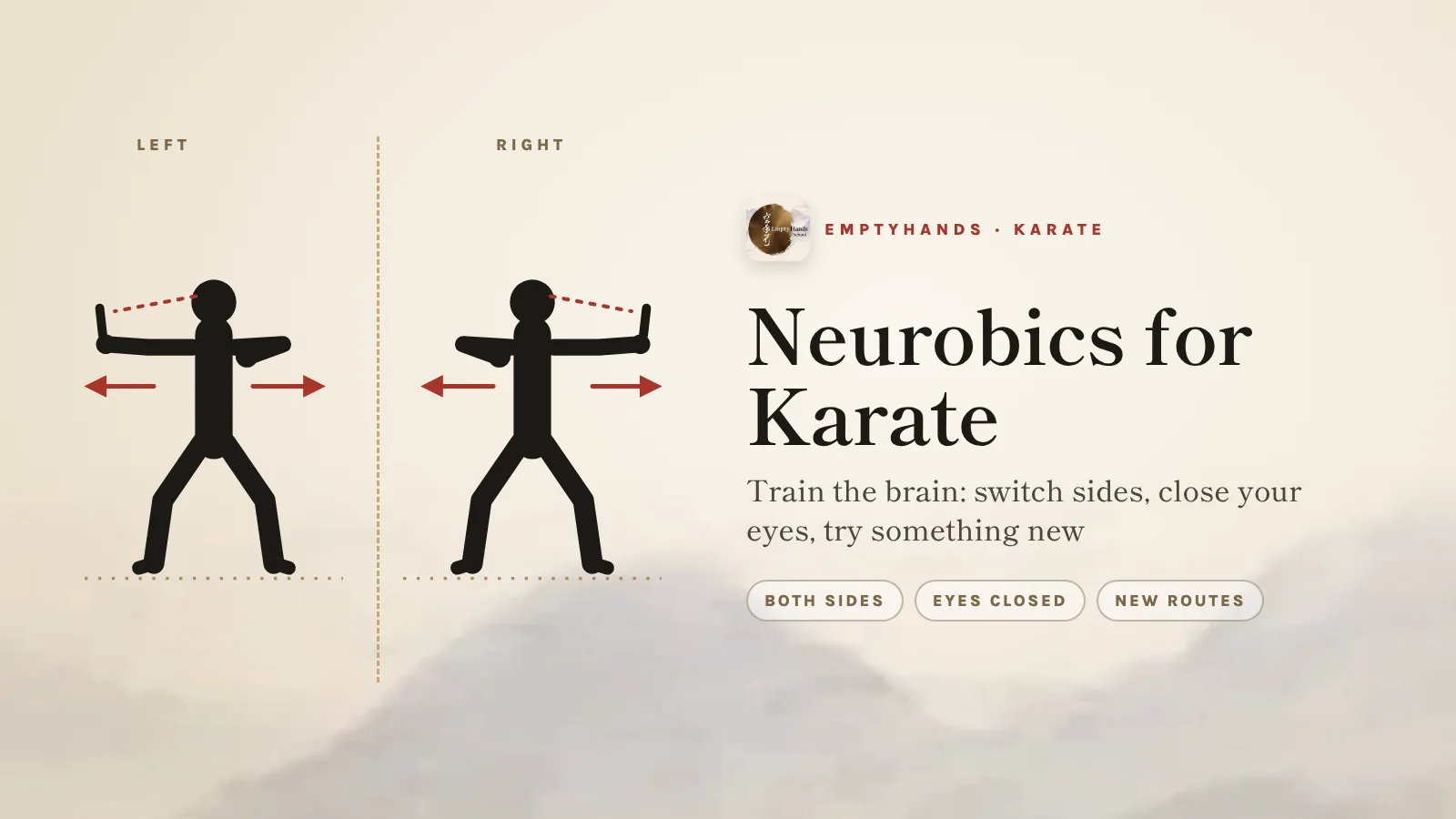
Switch sides
Using your non-dominant side makes the brain work harder. Most kata begin to the left; try performing your kata starting to the right.
Train with your eyes closed
Doing a familiar task without sight forces the brain to use different pathways. Next time you are in the dojo, try a kata with your eyes closed, in a safe space with room around you.
Learn a weapon
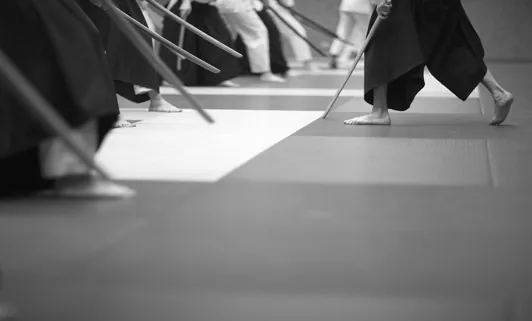
Ask your Sensei about staff training, such as Jōdō or the bō from kobudō. Handling a weapon with both hands develops the senses in the fingers and hands and challenges coordination.
Reverse it
Doing things backwards makes you think about every step, which also helps you break a technique down. Practise a sequence in reverse, or try a backward roll after a forward one.
Say it out loud
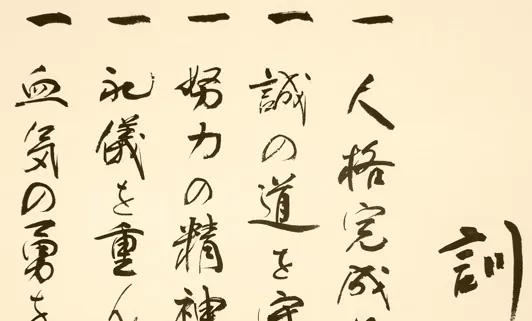
Read or recite the Dojo Kun or Funakoshi’s twenty precepts (Niju Kun) aloud. Reading, speaking and hearing the words engage different parts of the brain at once.
Map it out
Draw a map of the last kata you learned, showing every turn and step, or create a short routine of your own just for fun.
Take a new route
Much of what we do runs on autopilot. Take a different route to the dojo, or try something new, such as eating with chopsticks in your other hand.
Talk to people
Conversation engages many senses at once, yet in the digital age we often text instead of talking. Make the dojo a device-free space: talk with fellow karateka and instructors, ask questions, and get to know people with different interests, including martial artists from other styles.
Try something new, and do it the hard way
New experiences stimulate the brain. If training starts to feel stale, tell your Sensei: a new kata or drill can reignite your interest. Watch other martial artists, pick something you admire and practise it. And resist the shortcut sometimes: instead of a quick video, read a book on Karate history or ask a senior student.
Meditation and movement
Of all mental exercises, meditation may be the hardest. Research suggests it can reduce stress and improve focus, attention and mood, which is why every class includes mokuso. Kata, mindfulness and Chi Kung are forms of meditation too.
Regular physical training helps the brain as well, lifting mood and reducing stress. Karate has many dimensions beyond kicking and punching, so explore them, ask your instructors for ideas, and see what you discover about yourself.