Budō (武道) means “martial way”, from bu (martial) and dō (way). It covers the Japanese martial arts, including Karate-Dō, Judo, Kendo, Aikido and Jōdō. The aim of every Budō is the same: to develop the whole person and to restore balance and harmony.
What is Budō culture?
Budō culture is the set of behaviours, rituals, traditions and beliefs that surround martial arts practice. Practitioners of Budō seek something deeper than routine or reward, and their commitment to personal growth and ethical conduct enables them to contribute to society.
Budō is often misunderstood as a combat sport built on aggression and the pursuit of medals. In truth, because martial arts can be dangerous, they rest on a strong ethical code. Bushidō, the “way of the warrior”, calls for courtesy, sincerity, loyalty, discipline and courage. These values keep training safe, keep egos in check as students face fear and pain, and help resolve conflict before it starts.
A brief history
- Zen roots - tradition says Bodhidharma brought Chan (Zen) Buddhism to China in the 6th century, and with it the link between meditation and physical training at the Shaolin Monastery.
- Okinawa and China - from the late 1300s the Ryukyu Kingdom traded closely with China, exchanging goods, ideas and martial arts. This exchange shaped the art that became Karate.
- The samurai - the samurai rose to power from the 12th century, and their classical martial traditions, known as koryū (古流, “old schools”), were developed for the battlefield. Modern Budō grew from these roots and is still passed on from teacher to student today.

Examples of Budō culture
Dojo rituals
- Removing shoes before entering the dojo, out of respect and to keep the space clean.
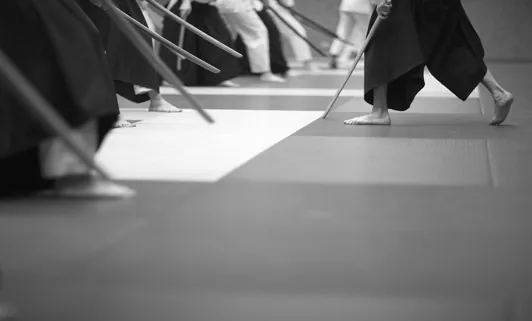
- Bowing on entering and leaving the dojo, to teachers and to training partners.
- Paying respect to teachers and those who came before.
- Wearing the traditional uniform, such as the gi.
- Studying classic texts such as Miyamoto Musashi’s Book of Five Rings, Sun Tzu’s Art of War and the Bubishi.
Health and wellbeing
- Finding ikigai, a sense of purpose, and living a balanced, healthy life.
- The tea ceremony and the lighting of incense.
- Shiatsu and the study of traditional medicine, such as the Yellow Emperor’s Classic of Internal Medicine.
Spiritual practice
- Zazen (seated meditation) and mokuso, the meditation at the start and end of every class.
- Zen gardens and the study of Zen philosophy.
- Learning from the lives and teachings of the masters.
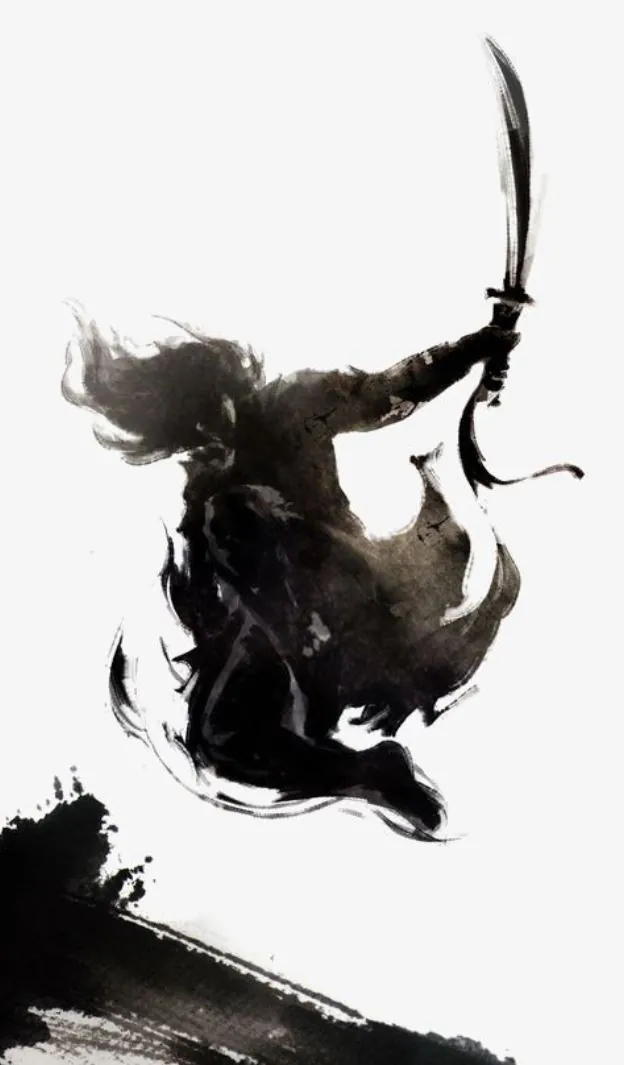
- Sumi-e, Japanese ink painting.
Budō culture brings together physical training, ethical conduct, history and spiritual practice. Together they make up the way of the warrior. Read more about Karate mindsets and kobudō.