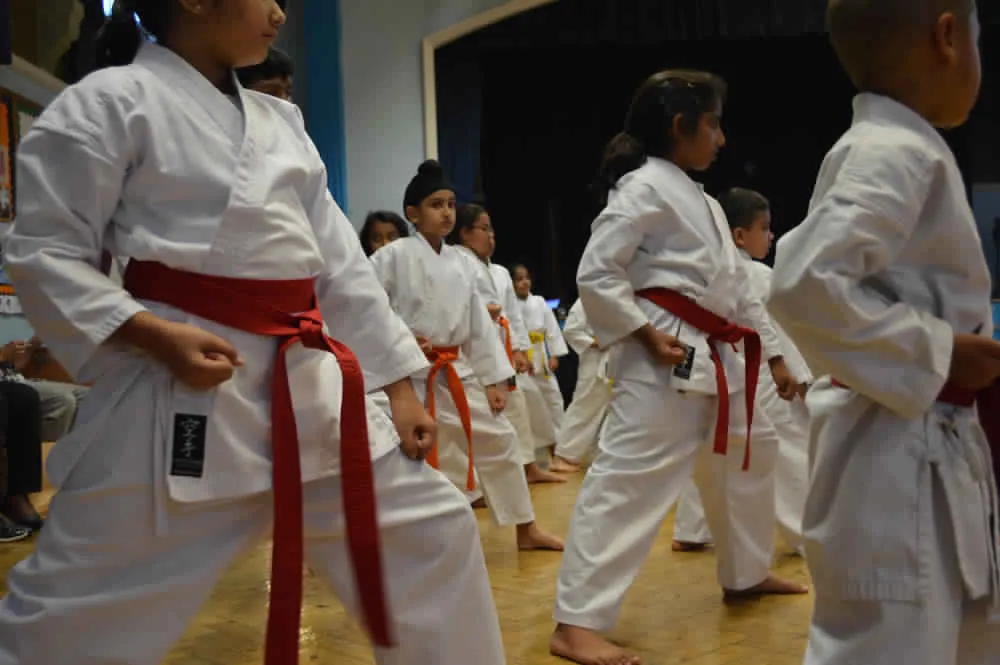
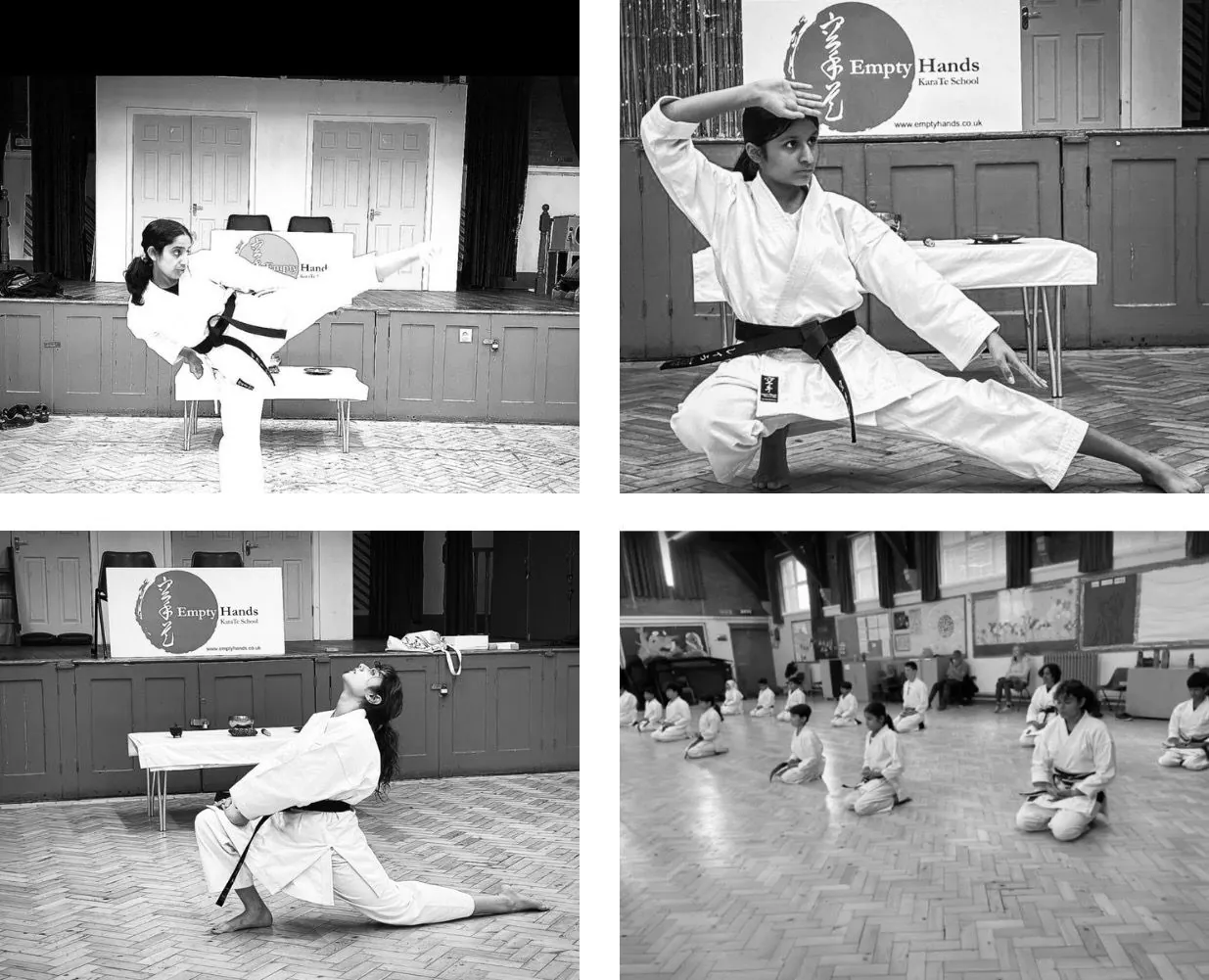
Every EmptyHands Karate class begins the same way: with a warm-up. It might look like simple exercise, but it is an important part of training, and it is often led by senior students taking the junior class through the routine.
Why warm up?
- It prevents injury. Raising the heart rate and body temperature prepares muscles, tendons and joints for the work ahead.
- It improves performance. Warm muscles move faster and more freely, so techniques are sharper.
- It focuses the mind. The warm-up marks the change from everyday life to training.
A typical warm-up
- Raise the pulse - light jogging, skipping or stepping drills for a few minutes.
- Mobilise the joints - gentle circles of the neck, shoulders, wrists, hips, knees and ankles.
- Dynamic stretches - leg swings, lunges and torso turns that move through the full range used in Karate.
- Stances and footwork - moving through zenkutsu-dachi, kiba-dachi and kokutsu-dachi to wake up the legs.
- Light kihon - easy punches, blocks and kicks before the main lesson builds up speed and power.
Longer, held stretches are best kept for the end of the class, when the body is fully warm.
Learning to lead
Leading the warm-up is one of the first responsibilities senior students take on. Standing in front of the class builds confidence, teaches them to give clear instructions and helps them look after younger students. It is an early step on the path to instructing, and a reminder that in a dojo everyone learns from one another.
Read more about how good training habits prevent injury, or book a trial Karate class.